


Maximizing Efficiency: The Role of Environmental Coating Production Lines in Modern Manufacturing
Release time:
2025-02-03
Maximizing Efficiency: The Role of Environmental Coating Production Lines in Modern Manufacturing Table of Contents Introduction to Environmental Coating Production Lines Importance of Environmental Coating in Manufacturing Innovative Technologies in Coating Production Lines How Environmental Coating Production Lines Maximize Efficiency Sustainability Practices in Coating Prod

Maximizing Efficiency: The Role of Environmental Coating Production Lines in Modern Manufacturing
Table of Contents
- Introduction to Environmental Coating Production Lines
- Importance of Environmental Coating in Manufacturing
- Innovative Technologies in Coating Production Lines
- How Environmental Coating Production Lines Maximize Efficiency
- Sustainability Practices in Coating Production
- Current Trends in Environmental Coating Technology
- Case Studies: Success Stories in Coating Efficiency
- Challenges in Implementing Advanced Coating Technologies
- The Future of Environmental Coating Production Lines
- Frequently Asked Questions
- Conclusion
Introduction to Environmental Coating Production Lines
Environmental coating production lines are pivotal in modern manufacturing, ensuring that products are both aesthetically appealing and resistant to environmental factors. These lines focus on applying various coatings that enhance durability while minimizing environmental harm. As industries seek to improve efficiency and reduce costs, the role of these production lines has become increasingly significant.
In this article, we will explore the intricacies of environmental coating production lines, examining their importance, the technologies behind them, and their impact on efficiency and sustainability in manufacturing.
Importance of Environmental Coating in Manufacturing
The need for effective environmental coatings arises from the growing demand for high-quality products that can withstand harsh conditions. Industries ranging from automotive to electronics require coatings that not only enhance appearance but also provide protection against corrosion, wear, and tear.
**Environmental coatings** have become essential for several reasons:
1. **Durability**: Protective coatings prolong the lifespan of products, reducing the need for replacements and thereby conserving resources.
2. **Aesthetic Appeal**: Coatings improve the visual aspect of products, making them more appealing to consumers.
3. **Environmental Compliance**: As regulations tighten regarding hazardous materials, environmentally-friendly coatings ensure compliance while reducing ecological impact.
4. **Cost Efficiency**: By enhancing product life and quality, manufacturers can reduce overall costs associated with rework and replacement.
Innovative Technologies in Coating Production Lines
Advancements in technology play a crucial role in the efficiency of environmental coating production lines. Several innovative techniques are being implemented to enhance coating applications, including:
1. Automated Coating Systems
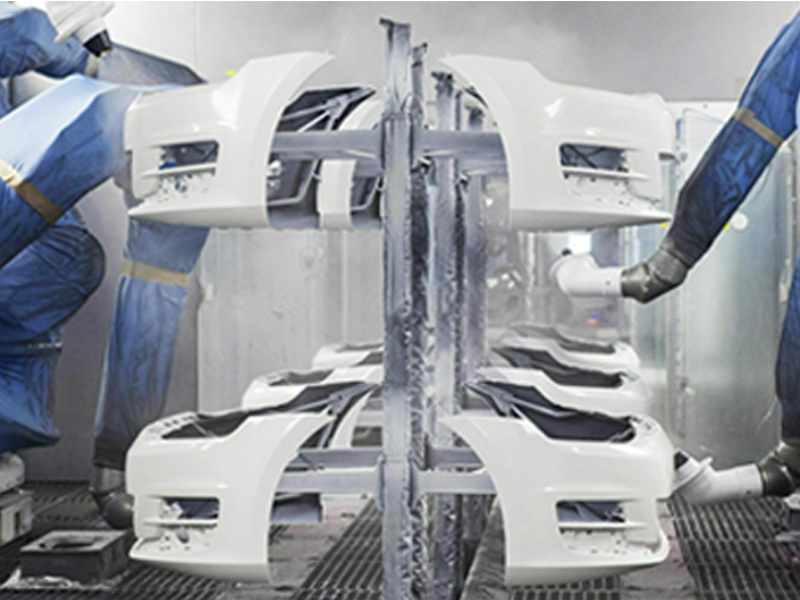
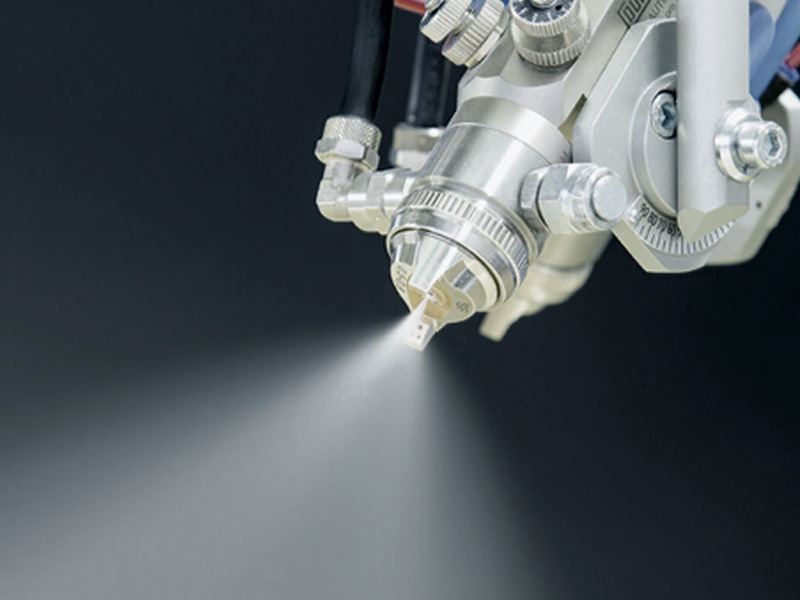
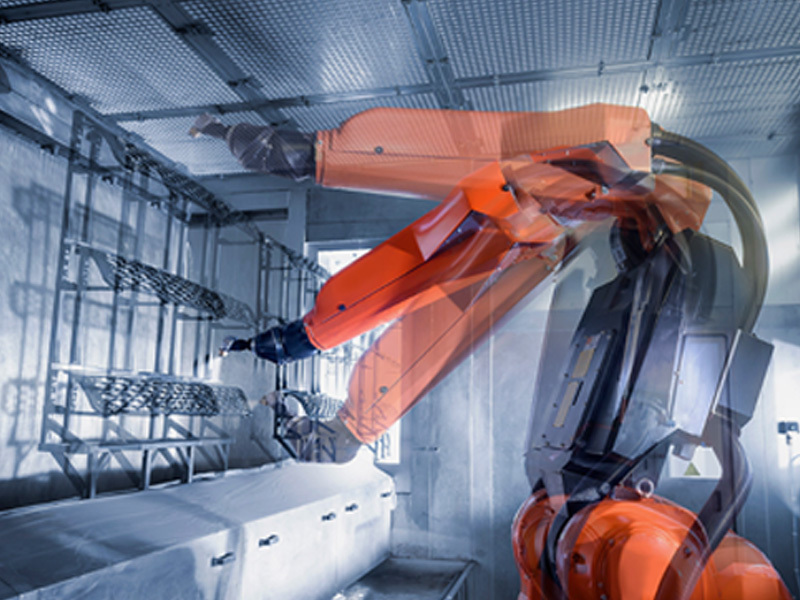
Automation has revolutionized coating processes. Automated systems ensure consistent application of coatings, reducing human error and increasing throughput. These systems can be programmed to adjust parameters such as speed and pressure, optimizing the coating process for different products.
2. Eco-Friendly Coating Materials
The development of eco-friendly coating materials, such as water-based paints and low-VOC (volatile organic compounds) coatings, has made it possible to achieve high-quality finishes without harming the environment. These materials are increasingly popular in industries focusing on sustainability.
3. Advanced Curing Technologies
Curing technologies, such as UV and infrared curing, allow for faster drying times and improved adhesion. These methods minimize energy consumption and reduce production time, contributing to overall efficiency.
4. Smart Monitoring Systems
Smart monitoring systems equipped with sensors and IoT (Internet of Things) technology provide real-time data on the coating process. These systems enable manufacturers to monitor performance, detect issues early, and maintain optimal operating conditions.
How Environmental Coating Production Lines Maximize Efficiency
Environmental coating production lines maximize efficiency through several key mechanisms:
1. Streamlined Processes
Modern production lines utilize lean manufacturing principles to eliminate waste and streamline processes. By minimizing unnecessary steps, manufacturers can enhance productivity and reduce costs.
2. Continuous Improvement
The implementation of continuous improvement methodologies, such as Six Sigma, helps organizations identify inefficiencies and areas for enhancement in their coating processes. This proactive approach leads to ongoing gains in productivity.
3. Reduced Downtime
Investing in reliable equipment and maintenance protocols minimizes downtime due to equipment failure. Predictive maintenance strategies, facilitated by smart technologies, ensure that production lines remain operational and efficient.
4. Training and Development
Investing in employee training ensures that workers are skilled in operating advanced coating technologies. A well-trained workforce can adapt to new systems and processes quickly, maintaining productivity levels.
Sustainability Practices in Coating Production
Sustainability is at the forefront of modern manufacturing, particularly in the coating sector. Companies are adopting practices that not only reduce environmental impact but also promote economic viability.
1. Waste Management Strategies
Effective waste management strategies involve recycling and reusing materials whenever possible. By minimizing waste, manufacturers can reduce costs and environmental impact.
2. Energy Efficiency
Energy-efficient machinery and processes are essential for sustainability. Implementing energy-saving technologies not only lowers operational costs but also reduces the carbon footprint of manufacturing facilities.
3. Sustainable Sourcing
Sourcing raw materials from sustainable suppliers ensures that the environmental impact is minimized throughout the supply chain. This practice is increasingly important to consumers who prioritize eco-friendly products.
4. Life Cycle Assessment
Conducting life cycle assessments helps manufacturers understand the environmental impact of their products from production to disposal. By identifying areas for improvement, companies can make informed decisions to enhance sustainability.
Current Trends in Environmental Coating Technology
The environmental coating industry is evolving rapidly, driven by technological advancements and changing consumer preferences. Some key trends include:
1. Increased Automation
As technology advances, automation in coating processes is becoming more prevalent. This trend improves consistency and quality while reducing labor costs.
2. Focus on Customization
Consumers are increasingly demanding customized products. Coating production lines are adapting by offering tailored solutions that meet specific client needs.
3. Growth of Water-Based Coatings
Water-based coatings are gaining popularity due to their lower environmental impact and reduced toxicity. Manufacturers are investing in developing these formulations for various applications.
4. Integration of Digital Technologies
Digital technologies such as AI and machine learning are being integrated into coating production lines to optimize processes and predict maintenance needs.
Case Studies: Success Stories in Coating Efficiency
Examining real-world applications of environmental coating production lines provides valuable insights into their benefits.
1. Automotive Industry
In the automotive sector, a leading manufacturer implemented an automated coating system that reduced application time by 30%, resulting in substantial cost savings and improved product quality.
2. Electronics Manufacturing
An electronics company adopted eco-friendly coatings, significantly reducing volatile emissions. This shift not only helped meet regulatory requirements but also enhanced brand reputation among environmentally-conscious consumers.
3. Construction Sector
A construction firm utilized advanced curing technologies to speed up project timelines. The adoption of UV curing reduced drying times significantly, allowing for quicker project completion and increased customer satisfaction.
Challenges in Implementing Advanced Coating Technologies
While the benefits of environmental coating production lines are clear, several challenges exist:
1. Initial Investment Costs
The cost of upgrading to advanced coating technologies can be high, deterring some manufacturers from making the leap. However, the long-term savings often outweigh initial expenses.
2. Skill Gaps in Workforce
The introduction of new technologies requires a skilled workforce. Companies must invest in training programs to ensure employees can operate advanced systems effectively.
3. Regulatory Compliance
Navigating the complex landscape of environmental regulations can be daunting. Manufacturers must stay informed and ensure compliance to avoid costly penalties.
The Future of Environmental Coating Production Lines
Looking ahead, environmental coating production lines will continue to evolve, driven by technology, sustainability, and consumer demand.
The shift towards **smart manufacturing** will likely enhance the efficiency of coating processes further, with IoT-enabled systems providing real-time data and insights. Additionally, as sustainability becomes a core focus for consumers, manufacturers will need to prioritize eco-friendly practices in their coating processes.
Frequently Asked Questions
1. What are environmental coating production lines?
Environmental coating production lines are specialized systems designed to apply protective and decorative coatings to products while minimizing environmental impact.
2. How do automated coating systems improve efficiency?
Automated systems reduce human error, ensure consistent application, and can be programmed for optimal performance, leading to increased productivity.
3. What are the benefits of water-based coatings?
Water-based coatings have lower VOCs, are less toxic, and are easier to clean up compared to solvent-based options, making them more environmentally friendly.
4. What challenges do manufacturers face in implementing new coating technologies?
Challenges include high initial costs, skill gaps in the workforce, and navigating regulatory compliance.
5. How can sustainability be integrated into coating processes?
Sustainability can be integrated through waste management strategies, energy-efficient technologies, sustainable sourcing, and life cycle assessments.
Conclusion
Environmental coating production lines play a crucial role in modern manufacturing, maximizing efficiency while promoting sustainability. By embracing innovative technologies and practices, companies can enhance product quality and durability while minimizing environmental impact. As the industry continues to evolve, staying abreast of trends and advancements will be essential for manufacturers seeking to maintain a competitive edge. The future of environmental coating production lines is bright, marked by continuous improvement and a commitment to sustainability.
Related articles

Building 1, Xiaweishui Industrial Zone, Bao'an District, Shenzhen, China


