


Maximizing Efficiency with Automatic Spraying Drying Lines in Industrial Applications
Release time:
2025-01-13
In the realm of industrial equipment, the efficient automatic spraying drying line represents a significant advancement in processing technology. These systems are designed to optimize the application of liquid coatings, allowing for a seamless transition from spraying to drying, effectively enhancing productivity and product quality. An automatic spraying drying line typically consists of several

In the realm of industrial equipment, the efficient automatic spraying drying line represents a significant advancement in processing technology. These systems are designed to optimize the application of liquid coatings, allowing for a seamless transition from spraying to drying, effectively enhancing productivity and product quality.
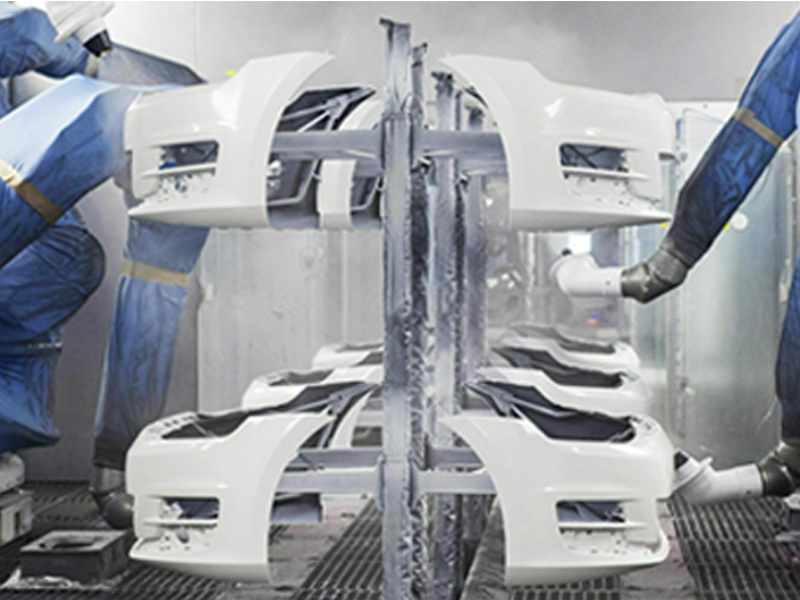
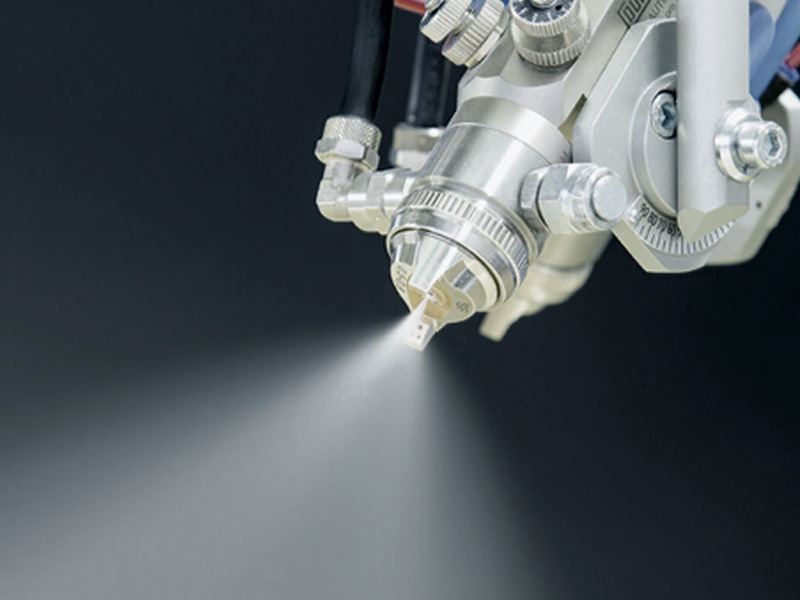
An automatic spraying drying line typically consists of several integrated components that work together to ensure a smooth workflow. The process begins with the spraying unit, where the desired coating material is atomized and evenly distributed over the target surface. This crucial step ensures that the coating is applied uniformly, which is essential for achieving high-quality finishes.
Once the spraying is complete, the drying phase follows immediately. Efficient automatic spraying drying lines employ advanced drying technologies, such as hot air circulation or infrared heating, to expedite the drying process. This not only minimizes wait times but also reduces the risk of contaminants settling on the wet coating, a common issue in manual operations. By implementing these systems, manufacturers can achieve faster turnaround times, ultimately leading to increased production rates.
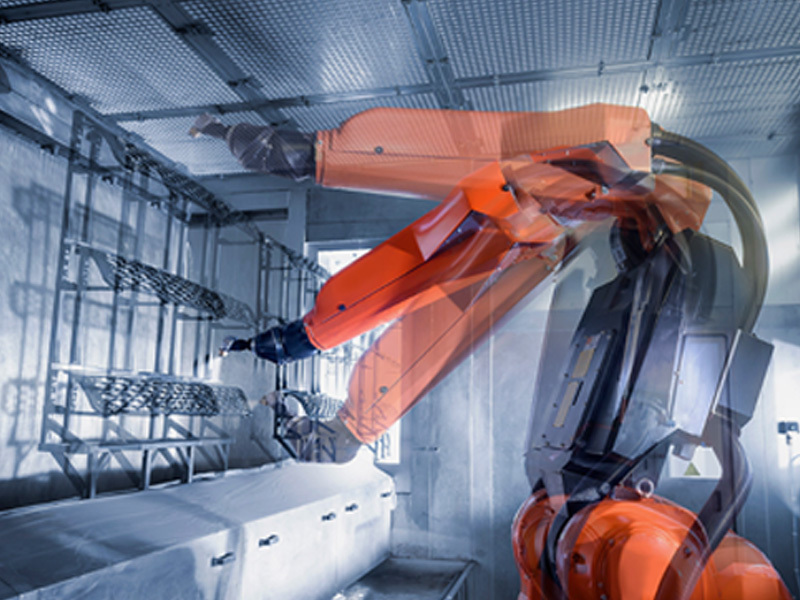
Another key advantage of these lines is their automation capabilities. With programmable controls, operators can set specific parameters for coating thickness, drying time, and temperature. This level of precision allows for consistent results, reducing variances that can occur with manual spraying and drying methods. Additionally, automation minimizes human error, ensuring that the final products meet stringent quality standards.
Efficient automatic spraying drying lines also contribute to improved workplace safety. By minimizing manual handling and exposure to potentially hazardous materials, these systems provide a safer working environment for employees. Furthermore, many modern lines are designed with energy efficiency in mind, incorporating features such as heat recovery systems that reduce overall energy consumption, making them not only environmentally friendly but also cost-effective in the long run.
As industries continue to evolve, the demand for high-quality finishes and efficient production processes will only increase. Efficient automatic spraying drying lines stand at the forefront of this evolution, offering solutions that cater to the diverse needs of various sectors, including automotive, aerospace, and consumer goods.
In conclusion, the implementation of efficient automatic spraying drying lines can transform industrial operations by enhancing productivity, ensuring quality, and promoting safety. As manufacturers seek to streamline their processes while maintaining high standards, these advanced systems will play a pivotal role in shaping the future of industrial coating applications. Embracing these technologies is not just a step towards modernization but a strategic investment in the longevity and success of manufacturing enterprises.
Related articles

Building 1, Xiaweishui Industrial Zone, Bao'an District, Shenzhen, China


