


Revolutionizing Coating: The Future of Environmental Spray Paint Robots
Release time:
2025-01-02
Revolutionizing Coating: The Future of Environmental Spray Paint Robots Table of Contents 1. Introduction to Environmental Spray Paint Robots 2. The Importance of Advanced Coating Technology 3. How Spray Paint Robots Work 4. Benefits of Environmental Spray Paint Robots 5. Future Trends in Spray Paint Robotics 6. Applications of Spray Paint Robots Across Industries 7. C

Revolutionizing Coating: The Future of Environmental Spray Paint Robots
Table of Contents
- 1. Introduction to Environmental Spray Paint Robots
- 2. The Importance of Advanced Coating Technology
- 3. How Spray Paint Robots Work
- 4. Benefits of Environmental Spray Paint Robots
- 5. Future Trends in Spray Paint Robotics
- 6. Applications of Spray Paint Robots Across Industries
- 7. Challenges in Adopting Spray Paint Robots
- 8. Conclusion
- 9. FAQs
1. Introduction to Environmental Spray Paint Robots
The coating industry stands at the forefront of technological innovation, significantly influenced by the emergence of **environmental spray paint robots**. These advanced machines are designed to apply coatings with exceptional precision while minimizing environmental impact and enhancing operational efficiency. As manufacturers and service providers strive to meet stringent environmental regulations and consumer demands for sustainability, the adoption of these robots is accelerating.
2. The Importance of Advanced Coating Technology
Understanding the critical role of **coating technology** is essential in today's industrial landscape. Coatings protect surfaces from corrosion, wear, and environmental factors, thereby extending their lifespan. Advanced coating technologies, especially those incorporating robotics, offer benefits such as consistency, efficiency, and precision, reducing waste and environmental harm.
The Shift Towards Sustainability
In recent years, there has been a significant shift towards **sustainable practices** in the manufacturing sector. Companies are increasingly recognizing the importance of reducing their carbon footprint. Environmental spray paint robots contribute to this shift by utilizing **eco-friendly materials** and optimizing spray processes to minimize overspray and VOC emissions.
3. How Spray Paint Robots Work
Environmental spray paint robots operate using advanced technologies that ensure optimal coating application. These machines are equipped with sophisticated **sensors** and **AI algorithms** that allow them to detect surface characteristics and adjust the spraying technique accordingly.
Components of Spray Paint Robots
The primary components of a spray paint robot include:
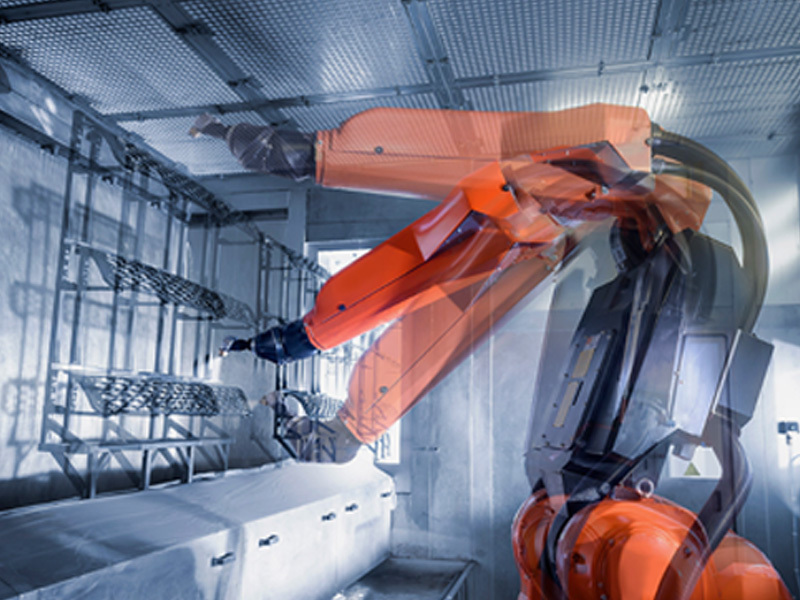
- **Robotic Arm**: Provides flexibility and precision in movement.
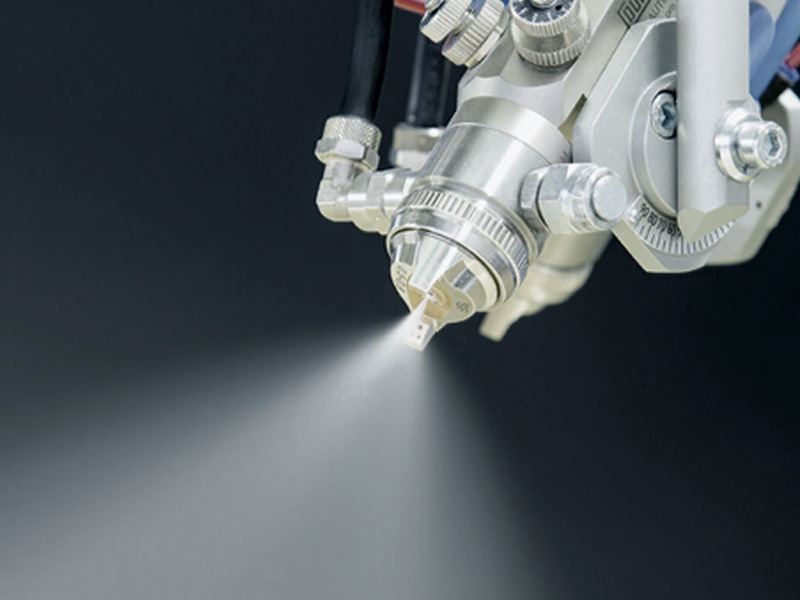
- **Spray Gun**: Delivers the paint evenly with adjustable settings for flow rate and spray pattern.
- **Vision System**: Utilizes cameras and sensors to assess surface quality and make real-time adjustments.
Automation Process
The automation process involves programming the robot to follow predefined paths while monitoring the environment. This ensures that the coating is applied uniformly, reducing the likelihood of defects and the need for rework. Through **machine learning**, robots can adapt to various surfaces and conditions, continuously improving their performance.
4. Benefits of Environmental Spray Paint Robots
The integration of environmental spray paint robots offers numerous advantages that significantly impact businesses and the environment.
Enhanced Efficiency
These robots can operate continuously without fatigue, leading to increased production speed. They can handle complex geometries and large surfaces, achieving results that would be labor-intensive and time-consuming for human operators.
Improved Precision
Utilizing advanced algorithms, environmental spray paint robots apply coatings with unparalleled accuracy. This precision reduces wastage of materials and ensures a consistent finish, contributing to a higher quality product.
Reduction of Environmental Impact
By minimizing overspray and utilizing low-VOC paints, these robots play a crucial role in reducing the environmental footprint of coating processes. Their ability to operate in controlled environments further enhances their sustainability credentials.
Cost-Effectiveness
While the initial investment in robotics may seem high, the long-term savings from reduced labor costs, material waste, and improved efficiency make environmental spray paint robots a financially viable solution.
5. Future Trends in Spray Paint Robotics
As technology continues to evolve, we can expect several exciting trends to shape the future of environmental spray paint robots.
Integration with IoT
The integration of Internet of Things (IoT) technology will enable these robots to communicate with other machines and systems, allowing for real-time monitoring, predictive maintenance, and enhanced operational efficiency.
Artificial Intelligence Advancements
With advancements in AI, we will see robots that learn from their environment, optimizing their spray processes based on previous applications and adjusting to changing conditions autonomously.
Customization and Scalability
Future developments will emphasize customizable solutions tailored to specific industries, enhancing scalability and flexibility. This will allow businesses of all sizes to adopt robotic painting technologies.
6. Applications of Spray Paint Robots Across Industries
The versatility of environmental spray paint robots allows for their application across various industries.
Automotive Industry
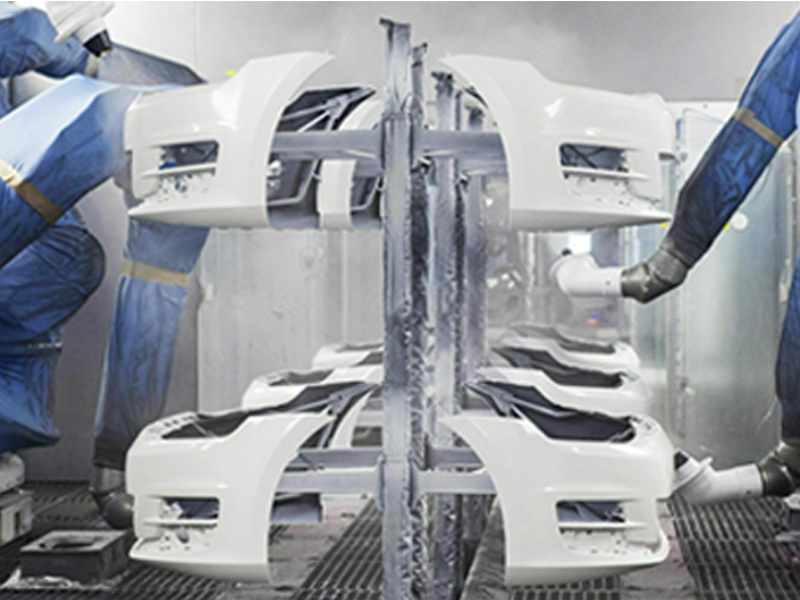
In the automotive sector, spray paint robots are vital for achieving high-quality finishes on vehicles. They ensure even coating of complex shapes and reduce the risk of defects.
Aerospace Sector
Aerospace applications demand precision and quality. Robots used in this industry apply coatings that protect surfaces from extreme conditions while maintaining weight efficiency.
Furniture and Woodworking
In furniture manufacturing, environmental spray paint robots enhance the finishing process. They provide a uniform application of stains and paints, improving aesthetics and durability.
Construction Industry
Robots are increasingly used in the construction industry for coating large structures and equipment. They deliver consistent results in challenging environments, significantly reducing labor costs.
7. Challenges in Adopting Spray Paint Robots
Despite the advantages, there are challenges associated with the adoption of environmental spray paint robots that organizations must address.
High Initial Costs
The initial investment in robotic technology can be significant, which may deter some businesses, particularly smaller enterprises. However, many are recognizing the long-term benefits and ROI.
Technical Complexity
Operating and maintaining advanced robotic systems require a skilled workforce. Training employees to manage these machines effectively can pose a challenge.
Integration with Existing Systems
Integrating robots into existing production lines may require significant modifications. Companies must evaluate their current systems and processes to ensure seamless integration.
8. Conclusion
The future of environmental spray paint robots is bright, with continuous advancements paving the way for enhanced efficiency, sustainability, and quality across various industries. As manufacturers increasingly embrace these technologies, the coating industry stands to benefit significantly from reduced environmental impact and improved operational effectiveness. The shift towards automation not only addresses current market demands but also positions businesses for long-term success in a competitive landscape.
9. FAQs
1. What are environmental spray paint robots?
Environmental spray paint robots are advanced machines designed to apply coatings with precision while minimizing environmental impact through reduced waste and lower emissions.
2. How do spray paint robots improve efficiency?
These robots operate continuously without fatigue, enabling faster production rates and consistent quality, which ultimately reduces downtime and labor costs.
3. Are spray paint robots cost-effective?
While the initial investment may be high, the long-term savings from reduced material waste and improved efficiency make them a cost-effective solution for many businesses.
4. What industries benefit from using spray paint robots?
Industries such as automotive, aerospace, furniture manufacturing, and construction benefit from the precision and efficiency provided by spray paint robots.
5. What challenges do companies face when adopting spray paint robots?
Challenges include high initial costs, technical complexity, and integration issues with existing systems, requiring careful planning and investment in employee training.
By addressing these facets of environmental spray paint robots, we can see how they are revolutionizing the coating industry and paving the way for a more sustainable future.
Related articles

Building 1, Xiaweishui Industrial Zone, Bao'an District, Shenzhen, China


