


Revolutionizing Industries: The Impact of Robot Painting Machines
Release time:
2024-12-08
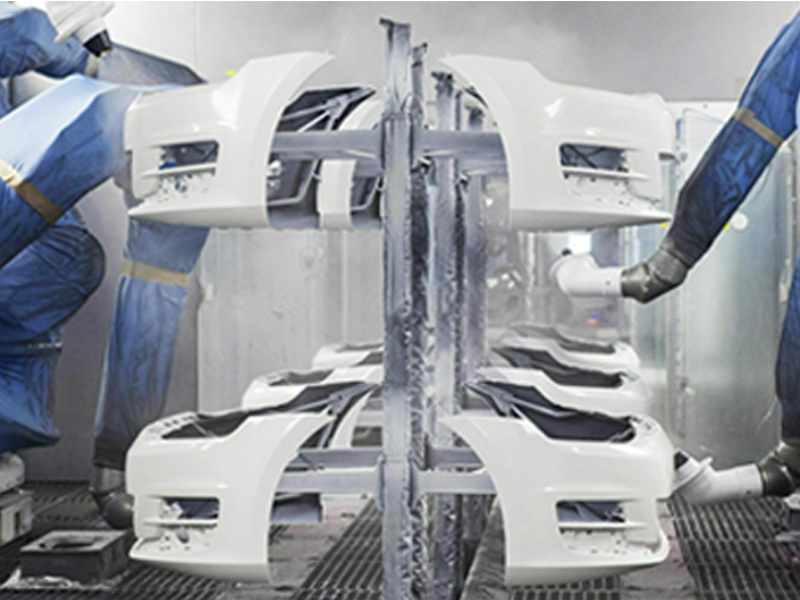
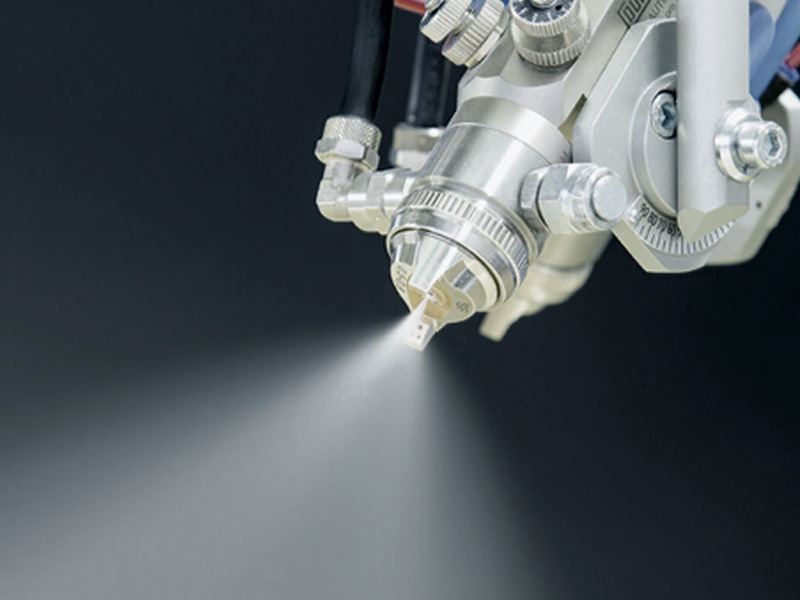
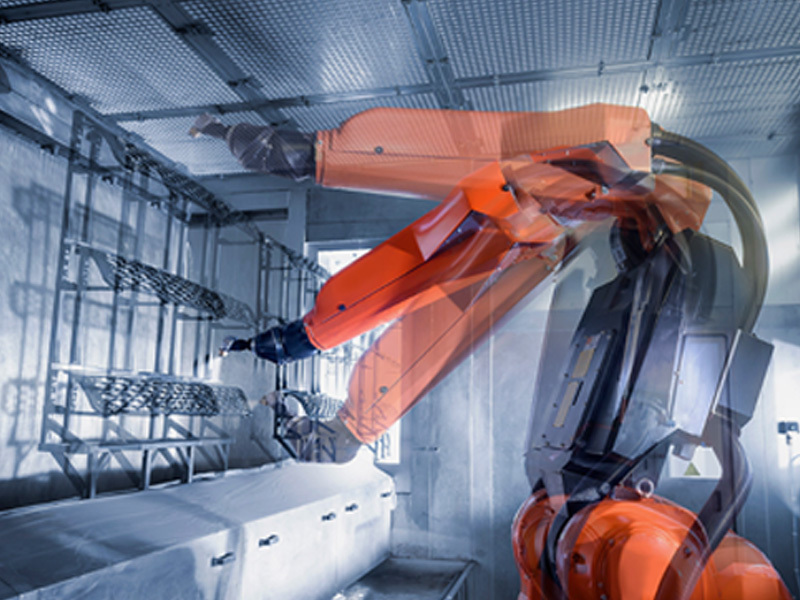
In recent years, robot painting machines have emerged as a game-changer in the field of industrial spray equipment. These advanced machines utilize robotic arms equipped with sophisticated spray technology, allowing for a level of precision and consistency that manual painting simply cannot achieve. This innovation is particularly beneficial in industries where uniformity and quality are paramount

In recent years, robot painting machines have emerged as a game-changer in the field of industrial spray equipment. These advanced machines utilize robotic arms equipped with sophisticated spray technology, allowing for a level of precision and consistency that manual painting simply cannot achieve. This innovation is particularly beneficial in industries where uniformity and quality are paramount, such as automotive, aerospace, and manufacturing.
One of the primary advantages of robot painting machines is their ability to operate in high-demand environments, ensuring that production processes remain efficient and uninterrupted. Compared to traditional painting methods, robots can work faster while delivering a consistent finish, significantly reducing the time needed for paint application. This increase in productivity allows companies to meet tight deadlines without compromising on quality.
Moreover, robot painting machines contribute to better safety conditions in the workplace. Manual painting often involves the use of toxic chemicals and paints, exposing workers to harmful fumes and safety hazards. By deploying robotic systems, companies can minimize human exposure to these risks, creating a safer working environment and complying with stringent health regulations.
Precision is another hallmark of robot painting machines. These systems are programmed to execute repetitive tasks with high accuracy, ensuring that paint is applied evenly across surfaces regardless of the complexity of the shape or size. This level of detail not only enhances the aesthetic appeal of the finished product but also improves durability and longevity, as a well-applied coat of paint provides better protection against environmental factors.
Furthermore, robot painting machines are designed to be flexible and adaptable. They can be programmed for various painting techniques, including spray, electrostatic, and even automated airless application. This versatility makes them suitable for a wide range of applications, from intricate parts in electronics to large-scale components in heavy machinery.
Additionally, integrating these machines into an existing production line can lead to significant cost savings over time. Although the initial investment might be substantial, the long-term benefits of reduced labor costs, minimized paint wastage, and lower rework rates can lead to substantial returns on investment.
In conclusion, robot painting machines are reshaping the industrial painting sector by offering enhanced efficiency, safety, and precision. Their ability to deliver consistent results while minimizing environmental impact positions them as an essential tool for modern manufacturing. As industries continue to evolve, embracing such innovations will be crucial for staying competitive and meeting the ever-increasing demands of the market. With robot painting machines leading the way, the future of industrial painting looks remarkably bright.
Related articles

Building 1, Xiaweishui Industrial Zone, Bao'an District, Shenzhen, China


