


Why Your Factory Needs an Automatic Spray Painting Machine Now
Release time:
2024-12-07
Why Your Factory Needs an Automatic Spray Painting Machine Now Table of Contents Introduction: The Need for Automation in Manufacturing Understanding Automatic Spray Painting Machines Benefits of Using Automatic Spray Painting Machines Increased Efficiency and Productivity Cost-Effectiveness and Waste Reduction Improved Quality and Consiste

Why Your Factory Needs an Automatic Spray Painting Machine Now
Table of Contents
- Introduction: The Need for Automation in Manufacturing
- Understanding Automatic Spray Painting Machines
- Benefits of Using Automatic Spray Painting Machines
- Increased Efficiency and Productivity
- Cost-Effectiveness and Waste Reduction
- Improved Quality and Consistency
- Key Features of Modern Spray Painting Machines
- Considerations When Choosing an Automatic Spray Painting Machine
- Implementation and Training for Operators
- Case Studies: Successful Implementations in Factories
- The Future of Spray Painting Technology
- Conclusion: Make the Leap to Automation
- FAQs about Automatic Spray Painting Machines
Introduction: The Need for Automation in Manufacturing
In today’s fast-paced manufacturing environment, the quest for **efficiency** and **quality** has never been more critical. The introduction of **automatic spray painting machines** is revolutionizing the industry. As factories strive to meet **increased demand**, the importance of implementing advanced technologies cannot be overstated. In this article, we will delve into the reasons why your factory needs to invest in an automatic spray painting machine now.
Understanding Automatic Spray Painting Machines
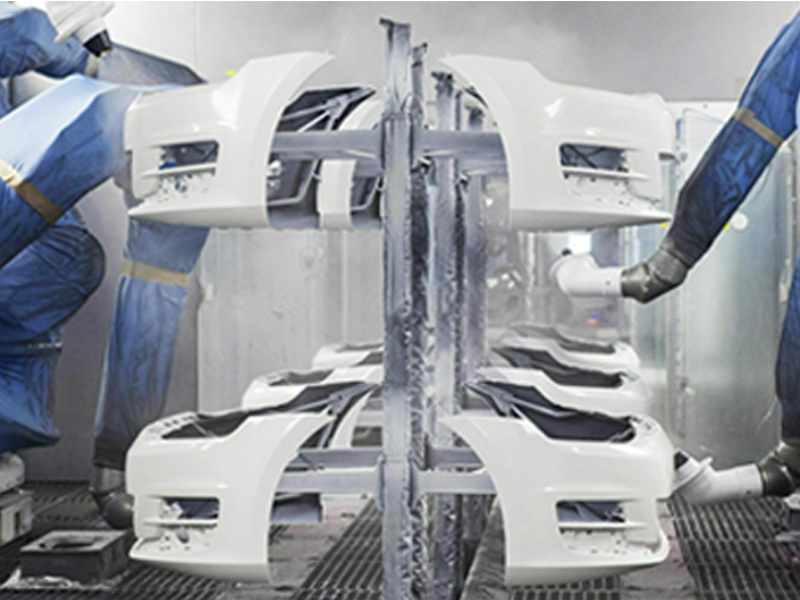
Automatic spray painting machines are sophisticated systems designed to apply paint or coatings on various surfaces with minimal manual intervention. These machines utilize robotics and advanced technology to ensure even coverage, superior adhesion, and reduced overspray. They can be tailored for a wide range of applications, from automotive to industrial equipment.
How It Works
The operation of automatic spray painting machines involves several key components, including:
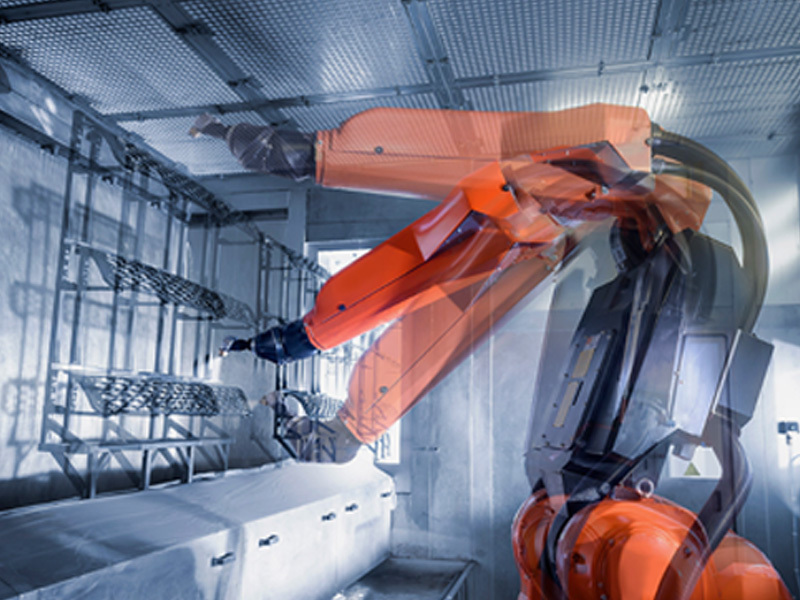
- **Robotic Arms**: Provide precise movement and positioning for accurate painting.
- **Paint Delivery Systems**: Ensure consistent flow and viscosity of paint.
- **Control Systems**: Allow for programmed patterns and settings tailored to specific tasks.
- **Curing Units**: Facilitate quick drying and curing of paint for enhanced durability.
Benefits of Using Automatic Spray Painting Machines
Automatic spray painting machines bring numerous advantages to factories that adopt this technology. Below, we explore some of the **key benefits**:
Increased Efficiency and Productivity
One of the most significant advantages of using automatic spray painting machines is the **enhanced efficiency** they offer. These machines can operate continuously, significantly reducing the time it takes to complete painting tasks. This level of efficiency not only boosts production rates but also allows for better resource allocation within your factory.
Cost-Effectiveness and Waste Reduction
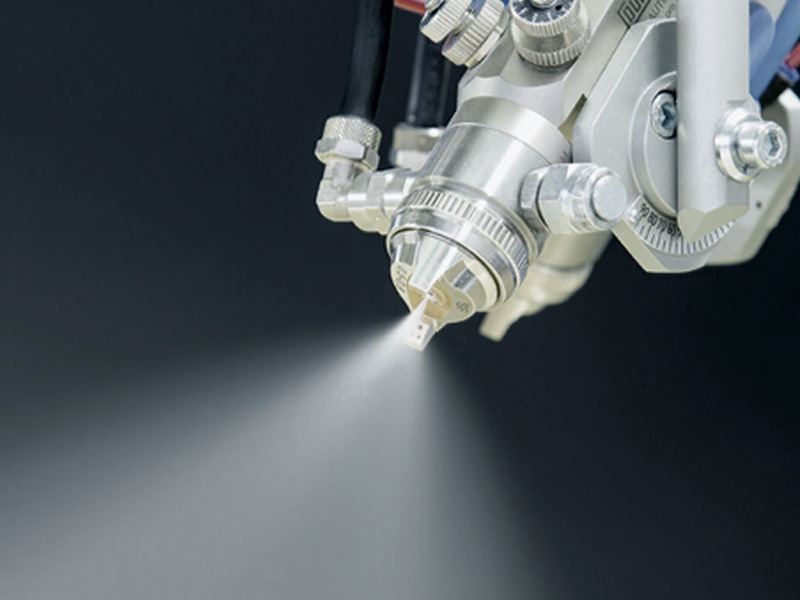
Automatic spray painting machines are designed to minimize paint waste. Traditional methods often lead to overspray and excess paint usage, resulting in higher material costs. With advanced technology, these machines optimize paint application, reducing waste and lowering overall operational costs.
Improved Quality and Consistency
When it comes to surface finishing, **quality** is paramount. Automatic spray painting machines ensure uniform application, which leads to a flawless finish. Unlike manual painting, which can be prone to human error, these machines provide consistent results, enhancing the final product's appearance and durability.
Key Features of Modern Spray Painting Machines
Investing in an automatic spray painting machine means benefiting from several advanced features:
Advanced Robotics
Modern machines utilize cutting-edge robotics that enable precise movement and positioning. This technology ensures every part receives the optimal amount of paint.
Smart Control Systems
With programmable settings, operators can customize painting processes for various products, maintaining flexibility while ensuring quality.
Eco-Friendly Technology
Many machines now incorporate eco-friendly paint delivery systems that reduce VOC emissions and promote sustainable practices.
Real-Time Monitoring
Advanced systems come equipped with real-time monitoring capabilities, allowing operators to track performance metrics and make adjustments as necessary.
Considerations When Choosing an Automatic Spray Painting Machine
Selecting the right automatic spray painting machine for your factory involves several considerations:
Production Volume
Evaluate your production needs. Machines vary in throughput capabilities, so choosing one that meets your specific demands is crucial.
Type of Materials
Consider the types of materials you will be painting. Different machines cater to various substrates, from metal to wood.
Budget and ROI
It's essential to assess your budget and the expected return on investment. Look for machines that offer long-term savings through reduced waste and increased efficiency.
Technical Support
Select a manufacturer that provides excellent technical support and service. This ensures that you have assistance when needed, minimizing downtime.
Implementation and Training for Operators
Successfully integrating an automatic spray painting machine into your factory requires careful planning and training.
Step-by-Step Implementation
1. **Site Assessment**: Evaluate the workspace and ensure adequate electrical and ventilation systems are in place.
2. **Machine Installation**: Follow manufacturer guidelines for safe and efficient installation.
3. **Testing and Calibration**: Conduct thorough testing to ensure optimal performance and calibration.
4. **Operator Training**: Provide comprehensive training for operators to familiarize them with machine functions and safety protocols.
Case Studies: Successful Implementations in Factories
Several factories have successfully integrated automatic spray painting machines, yielding remarkable results:
Case Study 1: Automotive Manufacturer
An automotive manufacturer implemented an automatic spray painting machine, reducing painting time by 40%. The factory reported lower labor costs and a significant decrease in paint wastage.
Case Study 2: Furniture Production Facility
A furniture production facility adopted an automatic system that improved the uniformity of finishes. This change led to increased customer satisfaction and reduced returns due to quality issues.
The Future of Spray Painting Technology
As technology continues to advance, the future of automatic spray painting machines looks promising. Innovations such as AI integration, enhanced robotics, and smarter control systems are on the horizon. These advancements will further optimize the painting process, making it even more efficient and user-friendly.
Conclusion: Make the Leap to Automation
In conclusion, investing in an automatic spray painting machine is no longer just an option; it is a necessity for factories aiming to stay competitive in the market. With increased efficiency, cost-effectiveness, and improved quality, these machines provide a significant advantage. As technology evolves, embracing automatic solutions will pave the way for a more productive and profitable manufacturing environment.
FAQs about Automatic Spray Painting Machines
1. What types of paints can be used with automatic spray painting machines?
Most automatic spray painting machines can handle a wide range of paints, including solvent-based, water-based, and eco-friendly options. Always consult the manufacturer's specifications.
2. How much maintenance do these machines require?
Regular maintenance involves cleaning the paint delivery system, checking for worn parts, and ensuring calibration. Following the manufacturer's maintenance schedule is essential for optimal performance.
3. Can automatic spray painting machines be used for small-scale operations?
Yes, many models are designed for both high-volume and small-scale operations, offering flexibility to suit various production needs.
4. What safety measures should be taken when using these machines?
Operators should be trained on safety protocols, including proper ventilation, use of PPE, and emergency shut-off procedures.
5. How long does it take to see a return on investment after purchasing an automatic spray painting machine?
The ROI timeframe varies based on production volume and operational costs, but many factories report a significant return within 1 to 2 years due to reduced waste and increased efficiency.
Related articles

Building 1, Xiaweishui Industrial Zone, Bao'an District, Shenzhen, China


