


Revolutionizing Efficiency: How Automatic Painting Transforms Industries
Release time:
2024-10-28
Revolutionizing Efficiency: How Automatic Painting Transforms Industries Table of Contents Introduction to Automatic Painting Technology Benefits of Automatic Painting Systems Industries Utilizing Automatic Painting Current Advancements in Automatic Painting Technology Challenges Faced by Industries in Implementing Automatic Painting The Future of Automatic Painting System

Revolutionizing Efficiency: How Automatic Painting Transforms Industries
Table of Contents
- Introduction to Automatic Painting Technology
- Benefits of Automatic Painting Systems
- Industries Utilizing Automatic Painting
- Current Advancements in Automatic Painting Technology
- Challenges Faced by Industries in Implementing Automatic Painting
- The Future of Automatic Painting Systems
- Case Studies: Successful Implementations of Automatic Painting
- Frequently Asked Questions about Automatic Painting
- Conclusion
Introduction to Automatic Painting Technology
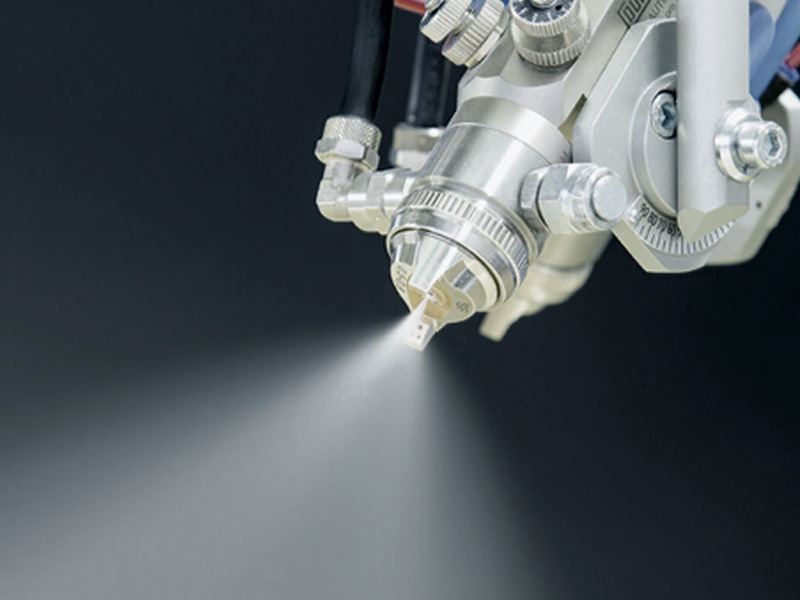
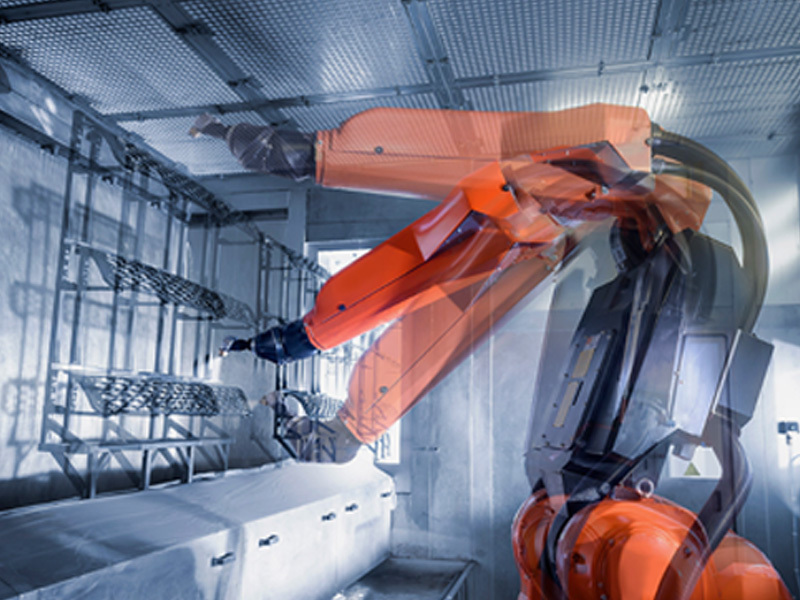
In recent years, **automatic painting technology** has become a game-changer for various manufacturing processes. This innovative approach uses sophisticated machinery and robotics to perform painting tasks with remarkable precision and speed. As industries strive for greater efficiency and quality in their production lines, automatic painting systems are increasingly being adopted. This article explores the transformative effects of automatic painting on multiple sectors, highlighting its advantages, advancements, and future potential.
Benefits of Automatic Painting Systems
Automatic painting systems offer numerous benefits that make them a preferred choice for manufacturers. Below are some of the key advantages:
Improved Efficiency
The foremost benefit is the **enhanced efficiency** these systems provide. Automatic painting machines can operate continuously, reducing downtime and increasing throughput. This constant operation allows manufacturers to meet larger order volumes without sacrificing quality.
Precision and Consistency
Automatic painting technology boasts a level of **precision** that is difficult to achieve manually. The use of advanced robotics ensures that each coat of paint is applied uniformly, minimizing the risk of imperfections. This consistency in application leads to a higher-quality finish and reduces the number of reworks.
Cost Reduction
While the initial investment in automatic painting equipment may be significant, the long-term savings are substantial. By optimizing material usage and reducing waste, these systems can lower operational costs. Additionally, the decrease in labor costs due to reduced manual intervention contributes to overall savings.
Enhanced Safety
Automatic painting systems can significantly improve workplace safety. By minimizing human exposure to potentially hazardous substances, such as solvents and paints, companies can create a safer working environment. Furthermore, robotics can handle the more dangerous tasks, reducing the likelihood of workplace accidents.
Environmental Benefits
With increasing regulations around environmental impact, adopting automatic painting technologies can help industries comply with eco-friendly standards. Many modern systems are designed to minimize overspray and VOC emissions, which are harmful to both the environment and human health.
Industries Utilizing Automatic Painting
Automatic painting technology is being utilized across various industries, each benefiting from its unique advantages. Here are some of the key sectors:
Automotive Industry
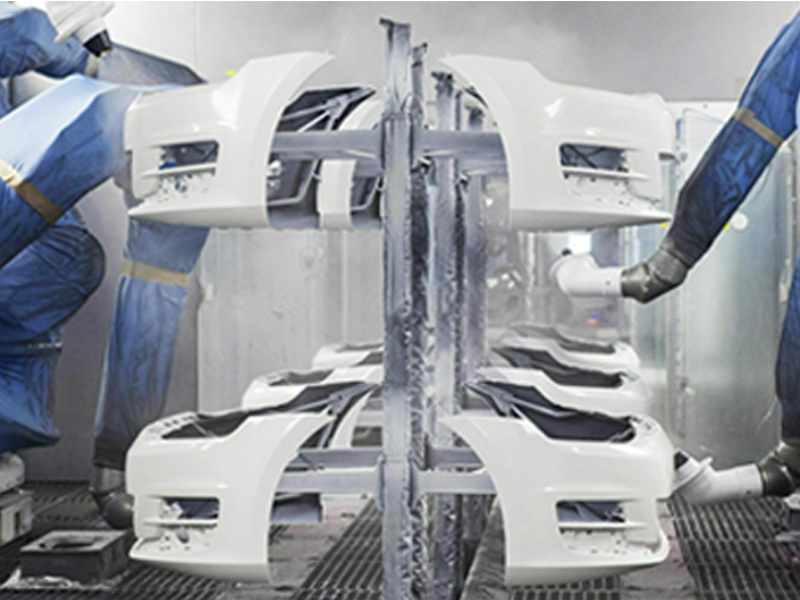
The **automotive industry** has been at the forefront of adopting automatic painting technology. With the need for high-volume production and a flawless finish, manufacturers rely on robotic systems to paint vehicles efficiently. This technology not only enhances the aesthetic appeal but also increases durability through uniform coatings.
Aerospace Sector
In the **aerospace sector**, precision is critical. Automatic painting systems are essential for applying lightweight, durable coatings that provide protection against environmental factors. The aerospace industry benefits from faster production times and improved safety standards as a result of these technologies.
Construction and Heavy Machinery
Heavy machinery and construction equipment require robust protective coatings that can withstand harsh conditions. Automatic painting systems ensure that these coatings are applied evenly, enhancing the longevity of the equipment and reducing maintenance costs.
Consumer Goods
The **consumer goods** industry has embraced automatic painting for products ranging from electronics to furniture. These systems allow for intricate designs and finishes that appeal to consumers while maintaining high production rates.
Current Advancements in Automatic Painting Technology
The field of automatic painting is continually evolving, with several advancements improving efficiency and effectiveness.
AI and Machine Learning Integration
The integration of **artificial intelligence** (AI) and machine learning into automatic painting systems has revolutionized the industry. These technologies allow machines to learn from previous projects, optimizing painting techniques and reducing mistakes over time.
Smart Sensors and IoT
With the rise of the **Internet of Things** (IoT), smart sensors can monitor various parameters during the painting process. These sensors provide real-time feedback, enabling adjustments to be made on-the-fly, ensuring optimal results.
Eco-Friendly Coatings
Advancements in **eco-friendly coatings** are also noteworthy. Companies are developing paints that are less harmful to the environment, further enhancing the sustainability of automatic painting processes.
Challenges Faced by Industries in Implementing Automatic Painting
Despite the myriad benefits, industries face several challenges when implementing automatic painting systems.
Initial Investment Costs
The upfront costs associated with purchasing and installing automatic painting equipment can be a barrier for some companies. While the long-term savings are substantial, the initial investment can be daunting, especially for smaller businesses.
Technical Expertise Requirements
Operating and maintaining advanced automatic painting systems requires specialized technical expertise. Companies may need to invest in training or hire skilled personnel, adding to the complexity of implementation.
Integration with Existing Systems
Integrating automatic painting technology with existing production lines can present challenges. Companies must ensure that the new systems communicate effectively with legacy equipment, requiring careful planning and execution.
The Future of Automatic Painting Systems
The future of automatic painting is promising, with continuous innovations expected to drive further efficiencies and capabilities.
Increased Customization Options
As technology advances, the ability to offer **customized painting solutions** will become more prevalent. Future systems will likely enable manufacturers to easily switch between different designs and colors, accommodating specific client requests without significant downtime.
Greater Sustainability Efforts
Sustainability will remain a focal point as industries face increasing pressure to reduce their environmental impact. Future automatic painting technologies will prioritize eco-friendliness, incorporating renewable materials and processes that minimize waste.
Expansion into Emerging Markets
Emerging markets are starting to recognize the benefits of automatic painting technology. As these markets expand, we can expect to see increased adoption of these systems, leading to improved manufacturing capabilities worldwide.
Case Studies: Successful Implementations of Automatic Painting
Examining real-world examples can provide valuable insights into the benefits of automatic painting systems. Here are a few notable case studies:
Case Study 1: Automotive Manufacturer
An automotive manufacturer implemented an automatic painting system to enhance production efficiency. The results were astounding: production times decreased by 30%, and the quality of the finish improved significantly, resulting in fewer customer complaints.
Case Study 2: Aerospace Company
A leading aerospace company adopted automated painting technology to streamline their production line. By doing so, they reduced paint waste by 25% and improved their overall compliance with environmental regulations.
Frequently Asked Questions about Automatic Painting
1. What is automatic painting technology?
Automatic painting technology utilizes machinery and robotics to apply paint to surfaces with high precision and efficiency. It is commonly used in various industries, including automotive, aerospace, and consumer goods.
2. How does automatic painting improve efficiency?
By operating continuously and applying paint with precision, automatic painting systems reduce downtime and increase throughput, allowing manufacturers to meet larger production demands.
3. What are the cost implications of adopting automatic painting?
While initial investments may be high, the long-term savings from reduced labor costs, material waste, and improved production efficiency can offset these costs significantly.
4. Are there environmental benefits to automatic painting?
Yes, many modern automatic painting systems minimize overspray and VOC emissions, making them more environmentally friendly compared to traditional painting methods.
5. What challenges do industries face when implementing automatic painting?
Industries may encounter challenges such as high initial investment costs, the need for technical expertise, and integration with existing production systems.
Conclusion
Automatic painting technology is undeniably revolutionizing efficiency across various industries. By enhancing precision, reducing costs, improving safety, and promoting environmental sustainability, automatic painting systems are becoming integral to modern manufacturing processes. As advancements continue and challenges are addressed, the future of automatic painting looks bright, promising even greater efficiency and customization options. Embracing this technology is not just an option; it is becoming a necessity for industries aiming to stay competitive in a rapidly evolving marketplace.
Related articles

Building 1, Xiaweishui Industrial Zone, Bao'an District, Shenzhen, China


