


Why Your Facility Needs an Explosion Proof Automatic Painting Robot
Release time:
2024-12-23
Explosion-proof automatic painting robots are specialized machines designed for environments where flammable materials are present

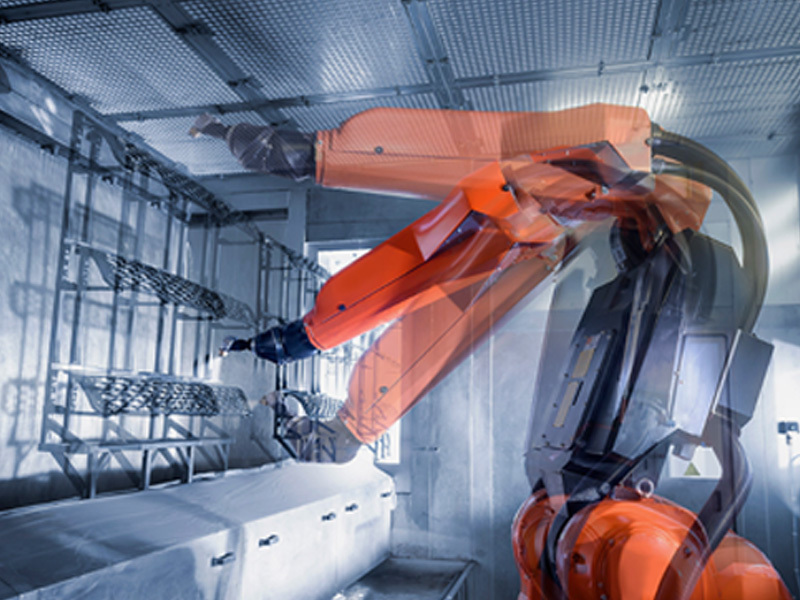
Explosion-proof automatic painting robots are specialized machines designed for environments where flammable materials are present. These robots are engineered to prevent ignition and contain any potential explosions, ensuring the safety of both personnel and equipment. Companies that handle volatile substances—such as paints, solvents, and chemicals—benefit significantly from utilizing these sophisticated systems.
The Importance of Explosion-Proof Technology
The need for explosion-proof technology cannot be overstated. According to the National Fire Protection Association (NFPA), industrial coatings and paints are responsible for numerous fire and explosion incidents each year. By investing in explosion-proof automatic painting robots, facilities can dramatically reduce the risk of accidents associated with hazardous materials.
Key Features of Explosion Proof Automatic Painting Robots
Explosion-proof automatic painting robots come equipped with several critical features:
- Enhanced Safety Mechanisms: These robots are built with materials and designs that mitigate the risk of ignition.
- Advanced Control Systems: They incorporate sophisticated programming to ensure precise application of coatings.
- High Efficiency: The automation of painting processes speeds up production times while maintaining consistency.
- Durability: Designed to withstand harsh environments, these robots are made from materials resistant to corrosion and wear.
Benefits of Implementing Explosion Proof Automatic Painting Robots
1. Enhanced Safety Standards
Safety is the primary concern in any industrial setting. Automatic painting robots reduce the risk of human error, which is often a significant factor in workplace accidents. By automating the painting process, your facility minimizes exposure to hazardous substances. Additionally, these robots comply with stringent safety regulations, ensuring your operations meet or exceed industry standards.
2. Increased Operational Efficiency
Explosion-proof automatic painting robots operate continuously, allowing for higher throughput. They can handle large volumes of work without the fatigue that human workers experience. This consistent performance leads to faster turnaround times and the ability to meet demanding production schedules. The integration of these robots also streamlines the workflow, reducing bottlenecks often caused by manual labor.
3. Superior Quality of Finish
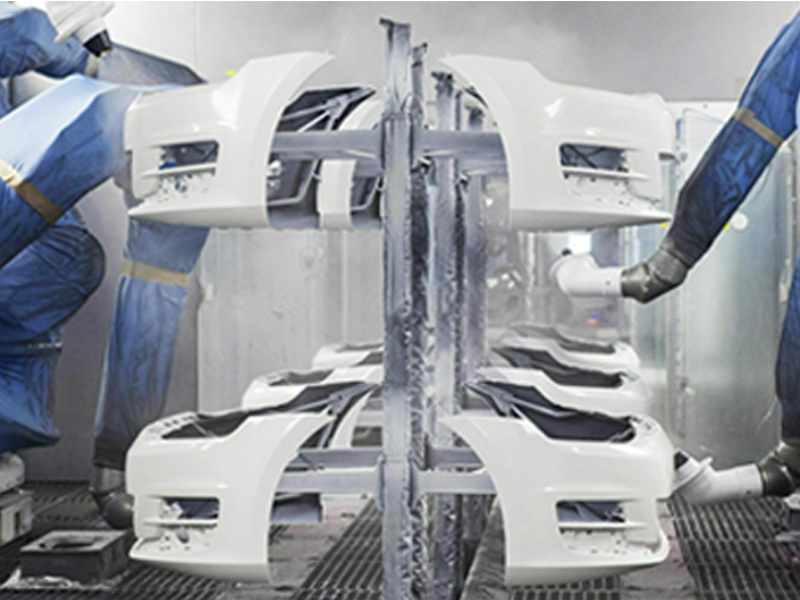
Precision is crucial in painting applications. Automatic painting robots provide a level of accuracy that manual applications cannot achieve. They ensure uniform coating thickness and consistency in color and finish. This reliability leads to a higher quality product and minimizes the need for rework, ultimately saving time and resources.
4. Cost Savings in the Long Run
While the initial investment in explosion-proof automatic painting robots may be substantial, the long-term savings are undeniable. Reduced material waste, lower labor costs, and decreased accident-related expenses contribute to a favorable return on investment (ROI). Furthermore, the longevity and durability of these robots mean lower maintenance and replacement costs over time.
5. Compliance with Environmental Regulations
With increasing scrutiny on environmental impacts, industries must comply with regulations regarding emissions and hazardous waste. Automatic painting robots can be equipped with systems that minimize overspray and ensure proper ventilation, aligning your facility with environmental compliance standards. This commitment not only enhances your reputation but also protects your business from potential fines and legal issues.
Choosing the Right Explosion Proof Automatic Painting Robot
When selecting the appropriate explosion-proof automatic painting robot for your facility, consider the following factors:
1. Application Requirements
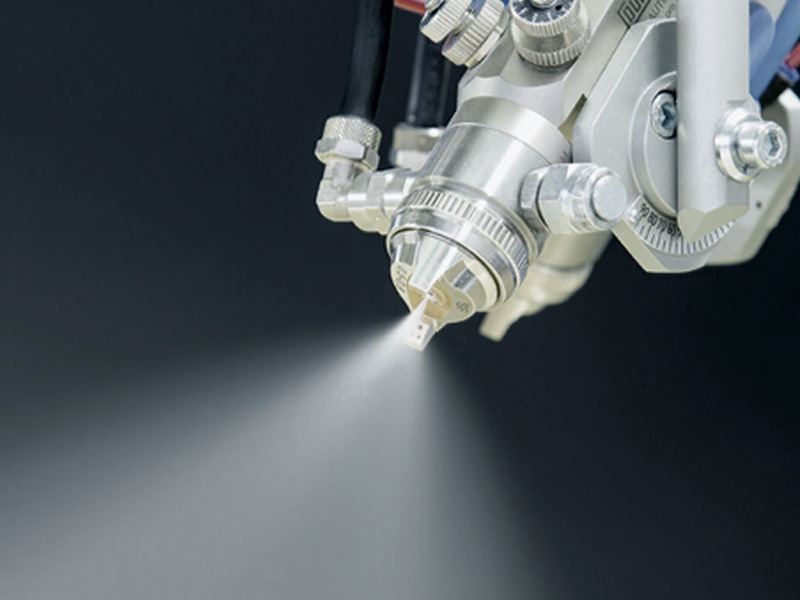
Your specific painting applications will dictate the type and capabilities of the robot needed. Consider the types of materials, surfaces, and finishes you require. Ensure the robot's spray capabilities align with your production needs.
2. Compatibility with Existing Systems
Evaluate how the new robot will integrate with your existing manufacturing processes. Compatibility with current equipment and software can streamline implementation and improve functionality.
3. Manufacturer Reputation and Support
Research manufacturers with a proven track record in producing explosion-proof technology. Look for companies that offer comprehensive support, training, and maintenance services to ensure your robot operates optimally over its lifespan.
4. Budget Considerations
While it's essential to remain within budget, prioritize quality and safety over cost. A well-made explosion-proof automatic painting robot is an investment that can pay off significantly in improved safety and efficiency.
Maintenance and Safety Protocols for Explosion Proof Robots
To maximize the lifespan and functionality of your explosion-proof painting robots, regular maintenance and adherence to safety protocols are critical.
1. Regular Inspections
Conduct routine inspections to identify any wear or damage to the robot. Check electrical components, spray nozzles, and safety features to ensure they are functioning correctly.
2. Calibration and Testing
Regularly calibrate the robots to maintain precision in painting applications. Testing before production runs helps ensure quality and consistency.
3. Staff Training
Provide comprehensive training for staff on operating and maintaining the robots. Proper knowledge of safety protocols and emergency procedures is essential to prevent accidents.
Future Trends in Automatic Painting Technology
The landscape of industrial painting technology is rapidly evolving with advancements in automation and robotics. Some notable trends include:
1. Artificial Intelligence Integration
Emerging technologies, such as artificial intelligence (AI), are being integrated into painting robots for predictive maintenance and adaptive learning. These innovations will enhance efficiency and reduce downtime.
2. Sustainable Practices
As sustainability becomes a focus across industries, manufacturers are developing eco-friendly painting solutions. Future robots may feature technology that minimizes waste and uses environmentally friendly materials.
3. Collaborative Robots (Cobots)
Collaborative robots, or cobots, are designed to work alongside human operators. This technology can enhance productivity while ensuring safety in mixed environments.
Conclusion
Integrating an explosion-proof automatic painting robot into your facility is a strategic move that enhances safety, efficiency, and product quality. As industries face increasing regulations and competition, the need for advanced technology becomes more apparent. Through careful consideration of operational needs, budget, and maintenance protocols, organizations can benefit from this pioneering technology. As we look to the future, the integration of AI and sustainable practices will further revolutionize the automatic painting landscape, making it an essential investment for any forward-thinking facility. Embrace change and prioritize safety and efficiency—your operations will thank you.
Related articles

Building 1, Xiaweishui Industrial Zone, Bao'an District, Shenzhen, China


