


How Are Painting Machine Robots Revolutionizing Industrial Coating
Release time:
2024-12-14
In the realm of industrial equipment and components, painting machine robots have emerged as a game-changer in the field of spraying and coating technology. These sophisticated robotic systems are designed to automate the painting process, providing manufacturers with a multitude of advantages that traditional methods cannot offer. One of the primary benefits of using painting machine robots is t

In the realm of industrial equipment and components, painting machine robots have emerged as a game-changer in the field of spraying and coating technology. These sophisticated robotic systems are designed to automate the painting process, providing manufacturers with a multitude of advantages that traditional methods cannot offer.
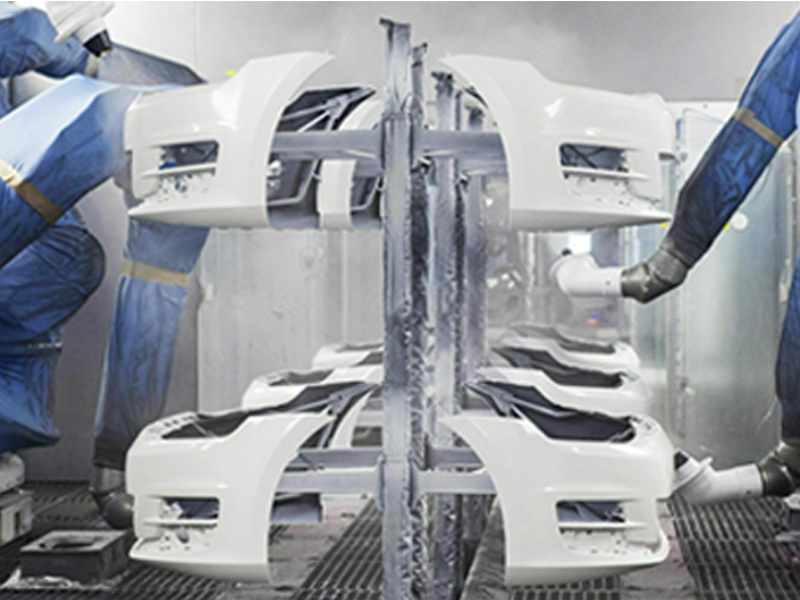
One of the primary benefits of using painting machine robots is their ability to achieve unparalleled precision and consistency. Unlike human painters, who may experience fatigue and inconsistency over prolonged periods, robots maintain a steady hand and uniform application throughout the entire job. This level of consistency is particularly crucial in industries where aesthetic quality and protective coatings are of utmost importance, such as automotive, aerospace, and consumer goods manufacturing.
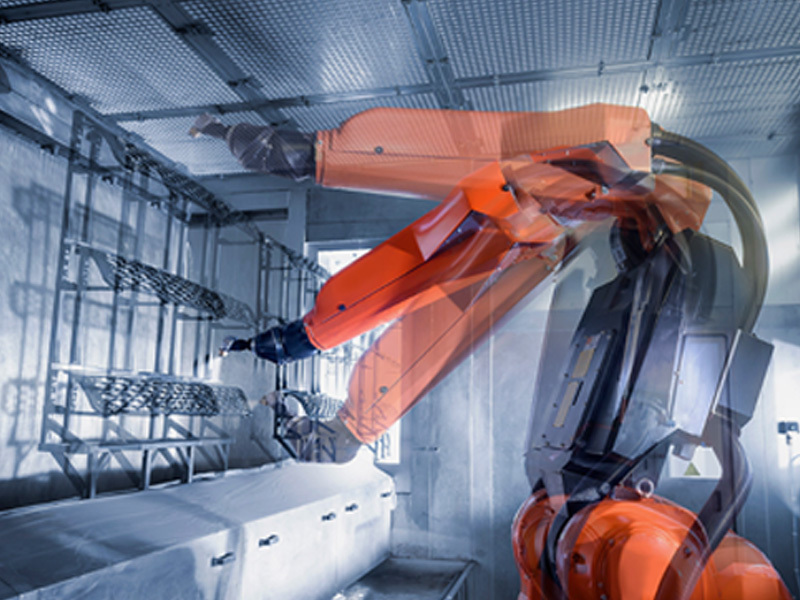
Additionally, painting machine robots contribute significantly to operational efficiency. They can work continuously without breaks, significantly reducing production time and increasing output. This is especially beneficial in high-volume manufacturing environments, where time is money. With advanced programming, these robots can be tailored to handle various shapes, sizes, and types of surfaces, allowing for versatile applications across different products.
Moreover, the use of painting machine robots can enhance safety in the workplace. Automated systems minimize the exposure of human workers to hazardous materials commonly used in painting processes, such as solvents and volatile organic compounds (VOCs). By reducing human involvement in potentially dangerous tasks, companies can create a safer working environment while also adhering to stringent health and safety regulations.
The integration of smart technology into painting machine robots further elevates their capabilities. Many modern systems come equipped with artificial intelligence (AI), which enables real-time adjustments based on environmental conditions, surface type, and material properties. This adaptability ensures that the painting process is optimized for quality and efficiency, resulting in superior finished products.
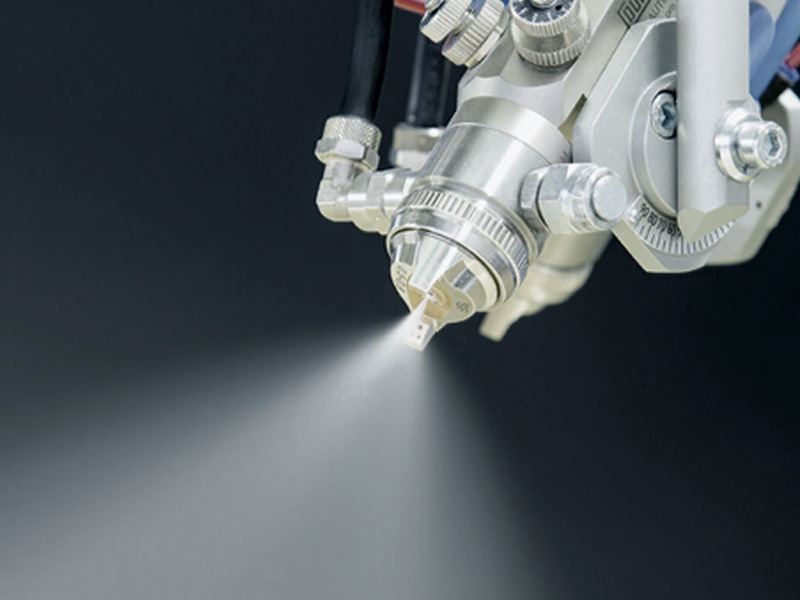
Furthermore, the implementation of painting machine robots can lead to cost savings in the long run. While the initial investment may be significant, the decrease in labor costs, combined with increased efficiency and reduced waste of materials, makes these systems a worthwhile consideration for many manufacturers. By minimizing overspray and ensuring that every drop of paint is utilized effectively, companies can also contribute to more sustainable practices.
Painting machine robots represent a significant advancement in the industrial painting landscape. Their precision, efficiency, and safety features make them an invaluable asset for manufacturers looking to enhance their operations. As technology continues to evolve, the role of painting machine robots in industrial applications is expected to grow, paving the way for even more innovative solutions in the future. Embracing these advancements can lead to improved quality, reduced costs, and a safer working environment, making them an essential consideration for businesses in the painting and coating industry.
Related articles

Building 1, Xiaweishui Industrial Zone, Bao'an District, Shenzhen, China


